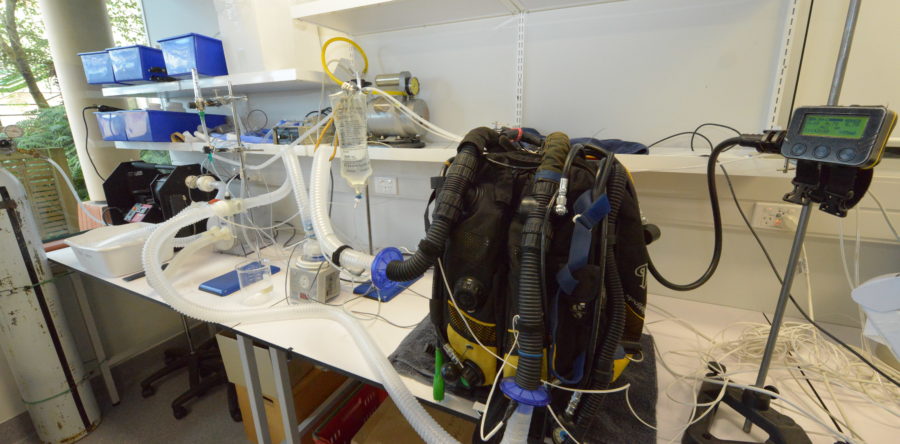
The use of technical diving methods (and particularly the use of rebreathers) for deep diving is associated with many recognised hazards. Not surprisingly, there are many examples of related accidents. I have been involved in the investigation of many of these through links to police, coroners courts, medico-legal cases, and through personal contact from victims or their relatives. In this presentation I will take you through some illustrative cases and discuss what we can learn from them. Recurring themes that will arise include mistakes at the human-machine interface in the use of rebreathers and behavioural phenomena such as the “normalisation of deviance” and “corrupted motivation”. I will discuss the seemingly random nature of sporadic serious decompression sickness in deep diving, and the implications for diving practice. Finally, I will propose some “survival tips”, some already well-known and widely accepted in our community, and some (such as the use of checklists) that are more controversial. The evidence for incorporation of properly designed checklists into our practice continues to accumulate, and I will briefly review this.